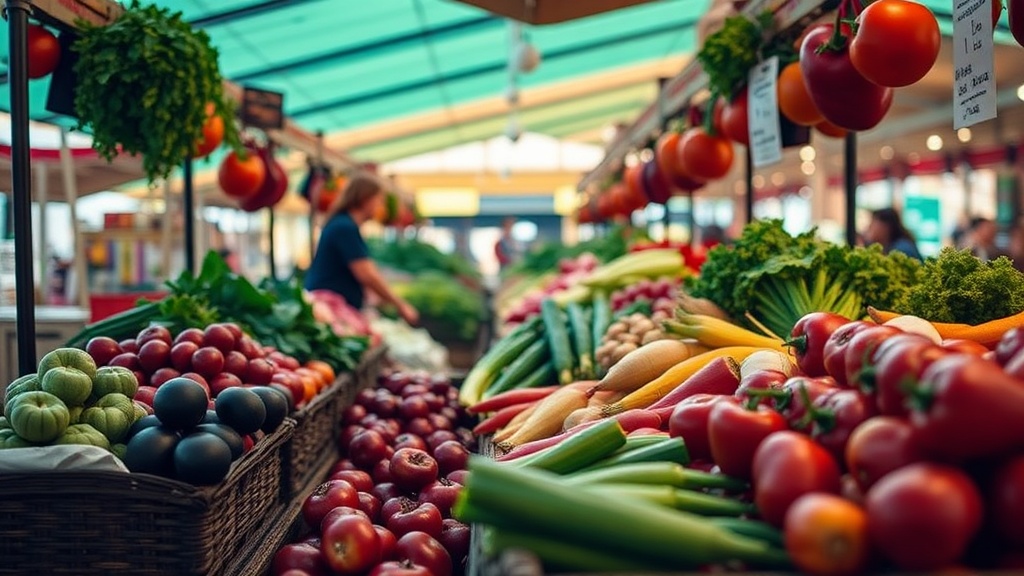
Finding the Best Seasonal Produce at Local Farmers Markets

Did you know that a single heirloom tomato grown in Ontario soil can contain up to five times the nutrient density of a standard supermarket tomato shipped from overseas? This guide shows you exactly how to identify peak seasonal produce, when to shop the local markets around Rockland and the Ottawa Valley, and how to spot the highest quality harvest before the stalls even open. Eating seasonally isn't just about flavor—it's about supporting our own agricultural backyard while getting the best value for your dollar.
What is in Season in Ontario Right Now?
The availability of produce depends entirely on the current month and the local frost dates in Eastern Ontario. In the spring, you'll find hardy greens and radishes; during the summer, the heavy hitters like corn, berries, and stone fruits arrive; and by autumn, it's all about apples, pumpkins, and root vegetables.
Understanding the cycle helps you avoid paying premium prices for things that aren't actually at their peak. For instance, if you're looking for sweet corn in April, you're going to be disappointed (and probably paying way too much for imported frozen goods).
Here is a quick breakdown of what to look for during the major seasonal shifts in our region:
| Season | Primary Produce | Best Way to Use It |
|---|---|---|
| Spring | Asparagus, Radishes, Spinach | Light sautés or fresh salads |
| Summer | Peaches, Strawberries, Sweet Corn, Tomatoes | Grilling or fresh eating |
| Autumn | Apples, Squash, Beets, Potatoes | Roasting and hearty stews |
| Winter | Root Vegetables, Storage Onions, Hard Squash | Slow cooking and soups |
When you shop at a market, you aren't just buying food; you're buying the result of a specific growing season. It's a way to connect with the agricultural cycles of Ontario in a way a grocery store simply can't match.
How Can You Tell if Produce is Truly Fresh?
The most reliable way to check for freshness is to use your senses—look for vibrant colors, feel for firm textures, and smell for natural aromas. If a peach smells like nothing, it's likely been sitting in a shipping container for a week. If a bell pepper has a soft spot or a dull skin, it's past its prime.
Don't be afraid to pick things up. If you're buying strawberries, they should be bright red all the way to the stem. If you see white or green shoulders, they weren't picked at peak ripeness. It's a small detail, but it makes a massive difference in how they taste once you get them home to your kitchen.
Here are a few specific tips for common market finds:
- Leafy Greens: Look for crisp, upright leaves. If the kale or chard looks limp or "sweaty," it's already starting to wilt.
- Root Vegetables: Carrots and beets should be firm and heavy. If they feel light or "hollow," they've lost moisture.
- Stone Fruit: Peaches and plums should have a slight give when pressed gently, but they shouldn't feel mushy.
- Berries: These are the most fragile. Avoid any containers that have juice pooling at the bottom—that's a sign of mold or bruising.
One thing to keep in mind: many local farmers use organic practices, but "organic" isn't a guarantee of "perfect" looks. A slightly bruised apple or a crooked carrot is often a sign of a real farm, not a factory. I've learned to embrace the "ugly" produce because the flavor is usually much better than the polished stuff at the big-box stores.
Where Are the Best Farmers Markets Near Rockland?
The best places to find high-quality seasonal produce are the weekly farmers markets in the Rockland, Embrun, and Ottawa areas. While we don't have a massive permanent market in the middle of every street, the surrounding towns host incredible seasonal events that bring the best of Ontario to our doorsteps.
The Ottawa Farmers Market is a staple for a reason—it's huge and has everything. However, if you want a more community-focused, smaller-scale experience, look for the smaller regional markets that pop up in the summer months. These often feature growers from the immediate Eastern Ontario area, meaning your food traveled fewer miles to reach your plate.
Check the schedules for these local spots:
- Ottawa Farmers Market: Great for variety and high-end artisanal goods.
- Local Seasonal Pop-ups: Often found in smaller towns around the Valley; these are perfect for finding specific heirloom varieties.
- Direct Farm Stands: Many farmers near Rockland operate their own roadside stands during the peak growing season.
It's worth noting that many of these vendors also sell specialized products like local honey or artisanal cheeses. If you find a vendor you like, buy their stuff! They're the ones keeping our local food system alive. It's a direct way to ensure that the next time you want a perfect tomato, there's still a farmer nearby growing them.
How Much Does Local Produce Cost Compared to Grocery Stores?
Local produce prices vary depending on the time of year and the specific crop, but you'll often find that while the upfront cost is slightly higher, the value is much better due to the quality and shelf life. You aren't just paying for the item; you're paying for the freshness and the lack of long-distance transport costs.
In the height of summer, things like corn or berries can actually be cheaper at a market than at a supermarket. The catch is that this window is short. You have to be ready to buy when the season hits. If you wait until August to look for strawberries, you'll be paying a premium for imported fruit that isn't even in season here.
Think about it this way: a carton of berries from a local farm might cost a dollar more than the supermarket version, but because they haven't been sitting in a truck for three days, they'll actually last longer in your fridge. You end up wasting less food, which saves you money in the long run. It's a simple math problem—higher quality means less waste.
"Buying local isn't just a trend; it's an investment in the resilience of our local food systems and the health of our community."
If you're looking for more information on food security and local agricultural standards, the Government of Canada's agriculture pages provide great context on how these systems work. Understanding the broader picture helps you realize why that extra fifty cents for a local bunch of carrots is actually a smart move.
When you're out at the market, keep an eye out for the "end of season" deals. When a farmer knows they have a surplus of zucchini or cucumbers, they'll often drop the price significantly to move the stock before it spoils. It's the best way to stock up for canning or freezing.
Don't forget to bring your own reusable bags. Most farmers' markets in Ontario are moving away from single-use plastics, and having your own kit makes the whole experience smoother. You'll also want to bring a cooler or an insulated bag if you're shopping on a hot July afternoon—nobody wants warm peaches.