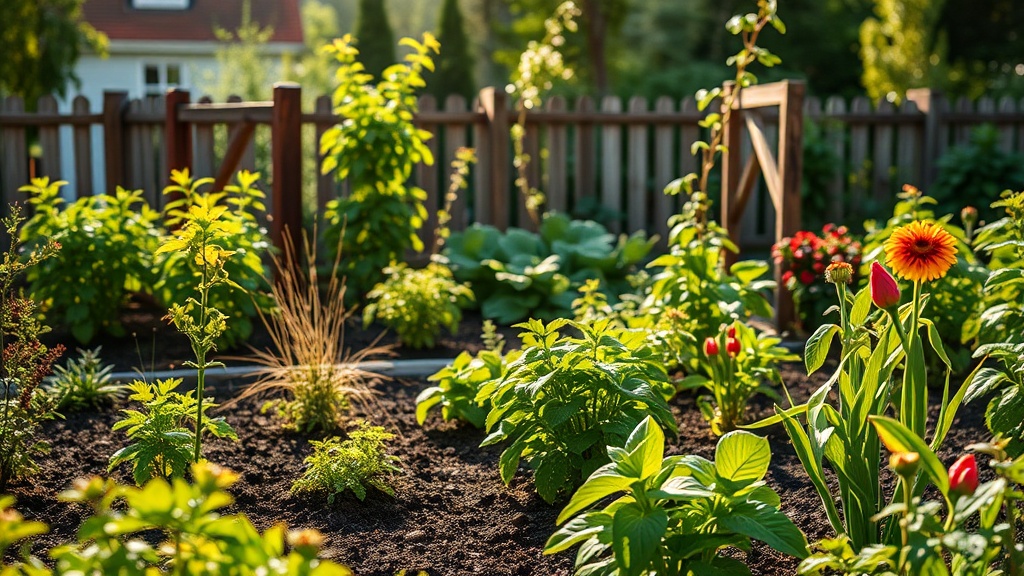
Setting Up a Backyard Garden in Your Local Plot

Imagine it's late May in Rockland. You're standing in your backyard near the Fenwick Street area, looking at a patch of grass that's a bit too much work to mow and not enough way to enjoy. Instead of just another chore, that patch could be a source of fresh basil, crisp lettuce, and vine-ripened tomatoes. This guide breaks down exactly how to prep your soil, pick the right crops for our Eastern Ontario climate, and manage a garden that actually survives a humid July.
Growing your own food in the Ottawa Valley isn't just about the hobby; it's about knowing what works in our specific hardiness zone. We deal with heavy clay in some spots and sandy soil in others. If you don't get the setup right, you'll spend more on replacement seedlings than you'd save at the grocery store.
How Do I Know When to Start Planting in Rockland?
You should start your garden based on the last frost date, which for the Rockland and Prescott-Russell area usually falls between mid-May and early June. Don't rush the process by putting sensitive plants in the ground too early. If you plant your tomatoes during a late May cold snap, you're going to lose them to the frost.
Check the Environment Canada weather reports regularly. You aren't just looking for the high temperature; you're looking for those overnight dips. A single night at 2°C can stunt a young pepper plant for the rest of the season.
I usually follow a three-step timeline:
- Late April: Start your seeds indoors using a heat mat and a simple shop light.
- Mid-May: Start hardening off your seedlings (moving them outside for a few hours a day to get them used to the wind and sun).
- Early June: Once the soil is warm and the risk of frost has passed, move your heavy hitters like melons or peppers outside.
It's a bit of a waiting game. I know it's tempting to get your hands in the dirt the first warm weekend in May, but wait for that window. Your plants will thank you for the patience.
What is the Best Way to Prepare My Soil?
The best way to prepare your soil is to test its pH and add organic matter like compost or aged manure before you ever put a seed in the ground. Most backyard plots in our region struggle with either way too much clay or way too much sand. Either way, your plants need nutrients that are easy to access.
If you have heavy clay—which is pretty common around the outskirts of Rockland—water will pool and drown your roots. If you have sand, the water will run right through, leaving your plants thirsty. You can fix both by adding high-quality compost. I personally use a mix of compost and organic matter from local suppliers to get that texture just right.
Here is a quick comparison of common garden beds to help you decide on your layout:
| Method | Setup Effort | Soil Control | Cost |
|---|---|---|---|
| In-Ground | Low | Difficult (depends on yard) | Low |
| Raised Beds | Moderate | Excellent (you control it) | Medium |
| Container Gardening | Low |
Raised beds are a fantastic option if you aren't sure what your ground looks like. You can buy a bag of high-grade potting soil and a few cedar planks, and you've bypassed the "bad dirt" problem entirely. It’s a bit more expensive upfront, but the success rate is much higher for beginners.
The Tool Kit
You don't need a shed full of expensive gadgets. A solid stainless steel trowel, a garden fork for breaking up clumps, and a reliable hose with a spray nozzle will get you through 90% of the work. If you're serious about the heavy lifting, a sturdy spade from a brand like Fiskars is a great investment that won't snap the first time it hits a rock.
Which Vegetables Grow Best in Eastern Ontario?
Vegetables that thrive in USDA Hardiness Zone 5 or 6 are your best bet for a successful season. This includes staples like bush beans, cucumbers, zucchini, and leafy greens. These plants are generally hardy and can handle the fluctuating temperatures we see in the Ottawa Valley.
If you want to grow things like basil or peppers, you have to be strategic. These are "heat lovers." They need a lot of sun and won't tolerate a cool night. If you're growing them in containers, you can actually move them to a sheltered porch if a weird cold snap hits.
I've found that even with the best seeds, the quality of your harvest depends on the quality of your produce. If you're looking to supplement your garden with more variety, you can find excellent seasonal produce at local farmers markets. This is a great way to see what's actually thriving in our local climate before you commit to a specific seed variety next year.
A few things to keep in mind for local success:
- Leafy Greens: Lettuce and spinach love the cooler spring and fall.
- Root Veggies: Carrots and radishes do great in our sandy-loam patches.
- Summer Stars: Tomatoes and cucumbers need a long, hot summer to really peak.
Don't forget the pollinators. If you don't have bees or butterflies, you won't get much fruit on your squash or cucumbers. I always plant a few marigolds or zinnias near my vegetables—it’s a simple way to keep the ecosystem working for you.
How Much Water Does a Garden Need?
A garden needs consistent moisture, ideally about one inch of water per week, delivered directly to the base of the plant rather than the leaves. Watering the leaves is a mistake—it encourages fungal diseases and can lead to blight, which is a common headache in our humid Ontario summers.
The best time to water is early in the morning. This allows the plant to hydrate before the heat of the day hits. If you water in the evening, the moisture sits on the soil and the plants all night, which is a recipe for mold.
If you're serious about a backyard garden, I highly recommend investing in a simple drip irrigation system or even just a few soaker hoses. It’s much more efficient than standing out there with a hose every afternoon. It saves time, and it keeps the water where it belongs: at the roots.
Watch for the signs of dehydration. If your tomato leaves are curling or drooping, they are thirsty. But be careful—overwatering is just as bad. If the soil is always a swamp, your roots will rot. You want it to feel like a wrung-out sponge—moist, but not soaking wet.
One thing to note: our summer storms in the Ottawa Valley can be intense. A heavy downpour can wash away your topsoil or drown your plants. If you have a particularly heavy rain, check your garden the next morning to ensure no water is pooling in your raised beds.
Gardening in Rockland is a learning process. Some years the pests will win, and some years your harvest will be incredible. The key is to start small. You don't need a half-acre plot to feel the satisfaction of eating a tomato you grew yourself. Start with a few containers or one small bed, see how it goes, and expand from there.
Steps
- 1
Test Your Soil Quality
- 2
Choose a Sunny Location
- 3
Select Seasonal Crops
- 4
Install Irrigation and Mulch