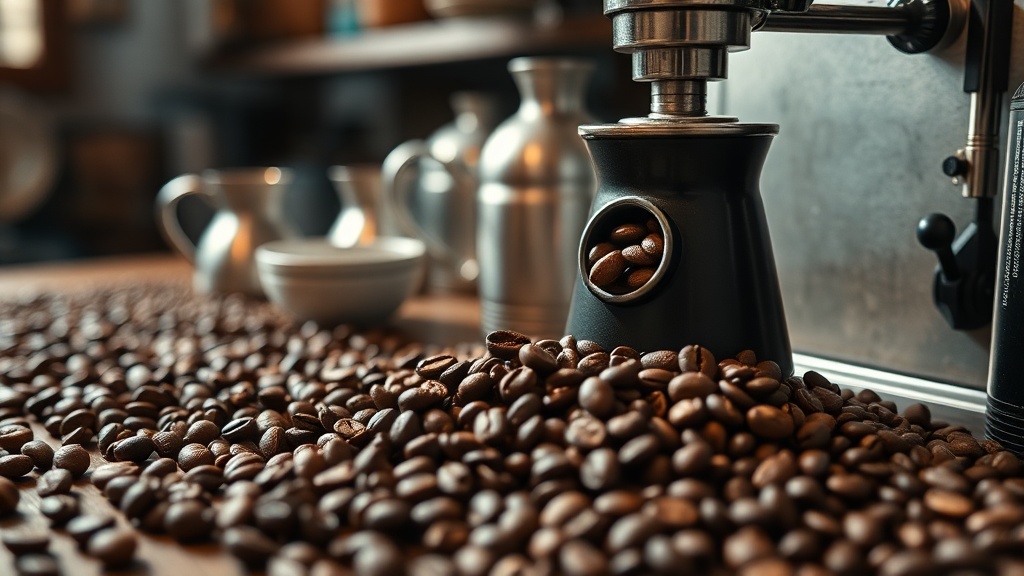
Brewing Greatness at Home with Local Coffee Beans

Most people think you need a $2,000 espresso machine or a degree in chemistry to make a high-quality cup of coffee at home. That's a mistake. Making cafe-quality coffee in your Rockland kitchen is actually about understanding three variables: bean freshness, water quality, and grind consistency. This guide breaks down how to source local Ontario beans and use simple manual methods to get professional results without the heavy price tag.
How Do I Find the Best Coffee Beans in Ontario?
The best way to find high-quality coffee is to look for local roasters who prioritize small-batch production and transparent sourcing. While big-box grocery stores sell plenty of coffee, those beans often sit on shelves for months, losing the oils and aromas that make coffee taste good. If you want the real deal, you should seek out specialty roasters based right here in Ontario or even closer to the Eastern Ontario area.
When you shop local, you aren't just getting a better flavor—you're supporting the local economy. Look for brands like Pilot Coffee or Balzac's, which have established high standards for their roast profiles. If you can find a small-batch roaster in the Ottawa-area, grab their bags. The shorter the time between the roast date and your brew date, the better your coffee will taste.
Check the packaging for a "Roast Date." If a bag only has a "Best Before" date, it's likely been sitting around too long. A fresh bag of beans is the single most important factor in your morning routine. It's the foundation of everything else.
"Coffee is a science, but brewing is an art that anyone can master with the right ingredients."
If you're looking for a way to pair your morning ritual with a bit of local-grown flavor, you might enjoy finding the best seasonal produce at local farmers markets to complement your breakfast. There's something about local food that just hits different.
What Is the Best Way to Brew Coffee at Home?
The best method depends on your personal taste preference and how much time you want to spend in the kitchen each morning. There isn't one "correct" way to brew, but there are several ways to achieve specific flavor profiles.
Here are the three most common methods used by home enthusiasts:
- The French Press: This is a way to make a heavy, full-bodied coffee using immersion brewing. It's great if you like a textured, "chewy" mouthfeel.
- The Pour Over (V60 or Chemex): This method uses a paper filter to create a very clean, bright, and light cup of coffee. It highlights the acidic and fruity notes in lighter roasts.
- The AeroPress: This is a versatile, pressure-based tool that is nearly indestructible. It's perfect for travelers or anyone who wants a quick, concentrated cup.
Let's look at how these methods compare in terms of effort and flavor profile:
| Method | Flavor Profile | Difficulty | Brew Time |
|---|---|---|---|
| French Press | Heavy, Bold, Silky | Low | 4-5 Minutes |
| Pour Over | Clean, Bright, Tea-like | Medium | 3-4 Minutes |
| AeroPress | Versatile, Smooth | Medium | 2-3 Minutes |
One thing to remember—if you use a French Press, don't skip the step of letting the grounds settle before plunging. If you rush it, you'll end up with a mouthful of silt (and nobody wants that).
How Much Does a Good Home Coffee Setup Cost?
A solid home coffee setup can cost anywhere from $30 to $300 depending on whether you are buying entry-level gear or high-end specialty tools. You don't need to spend a fortune to get a great cup, but you should invest in a decent grinder rather than a high-end brewer.
The biggest mistake I see people make is buying an expensive brewer but using pre-ground coffee from a grocery store. A grinder is actually more important than the brewer itself. If your coffee is ground unevenly, your brew will be inconsistent—sometimes bitter, sometimes sour. A decent burr grinder (not a blade grinder!) will change your life. It's a massive difference.
Here is a rough breakdown of what you'll need to get started:
- The Basics ($30-$50): A French Press and a basic hand grinder. This gets you a great cup every single morning.
- The Enthusiast ($100-$200): A Hario V60 pour-over set or an AeroPress, plus a mid-range electric burr grinder. This is where things get fun.
- The Pro-sumer ($400+): High-end manual grinders, precision scales, and specialized gooseneck kettles.
For more technical information on how coffee chemistry works, you can look at the Wikipedia page on coffee to understand the different bean varieties and processing methods. Understanding the difference between a light roast and a dark roast is a great way to refine your palate.
Water quality is another factor people ignore. Since coffee is about 98% water, using filtered water (like from a Brita pitcher) will make a massive difference. If your tap water in Rockland has a heavy mineral taste, your coffee will suffer. It's a simple fix, but it works.
Temperature matters too. If you're using a pour-over method, you shouldn't use boiling water. Boiling water can scorch the grounds and create a bitter taste. Aim for around 195°F to 205°F (90°C to 96°C). If you don't have a thermometer, just let your kettle sit for about a minute after it reaches a boil.
It's worth noting that the "perfect" cup is entirely subjective. Some people love the heavy mouthfeel of a dark roast made in a French Press, while others want the delicate, citrusy notes of a light roast from a pour-over. Experiment with different beans from local Ontario roasters to see what speaks to you. You might find that a certain bean works better with one method than another.
If you're looking for more ways to enhance your home-grown lifestyle, check out my previous post on setting up a backyard garden. Just like with coffee, the best results come from paying attention to the small, foundational details.
Don't let the technical terms intimidate you. At the end of the day, the goal is a delicious cup of coffee that makes your morning a little better. Start small, buy fresh beans, and don't be afraid to tweak your variables until you find your perfect ratio.
Steps
- 1
Select Fresh Local Beans
- 2
Grind Just Before Brewing
- 3
Control Your Water Temperature
- 4
Master Your Pouring Technique